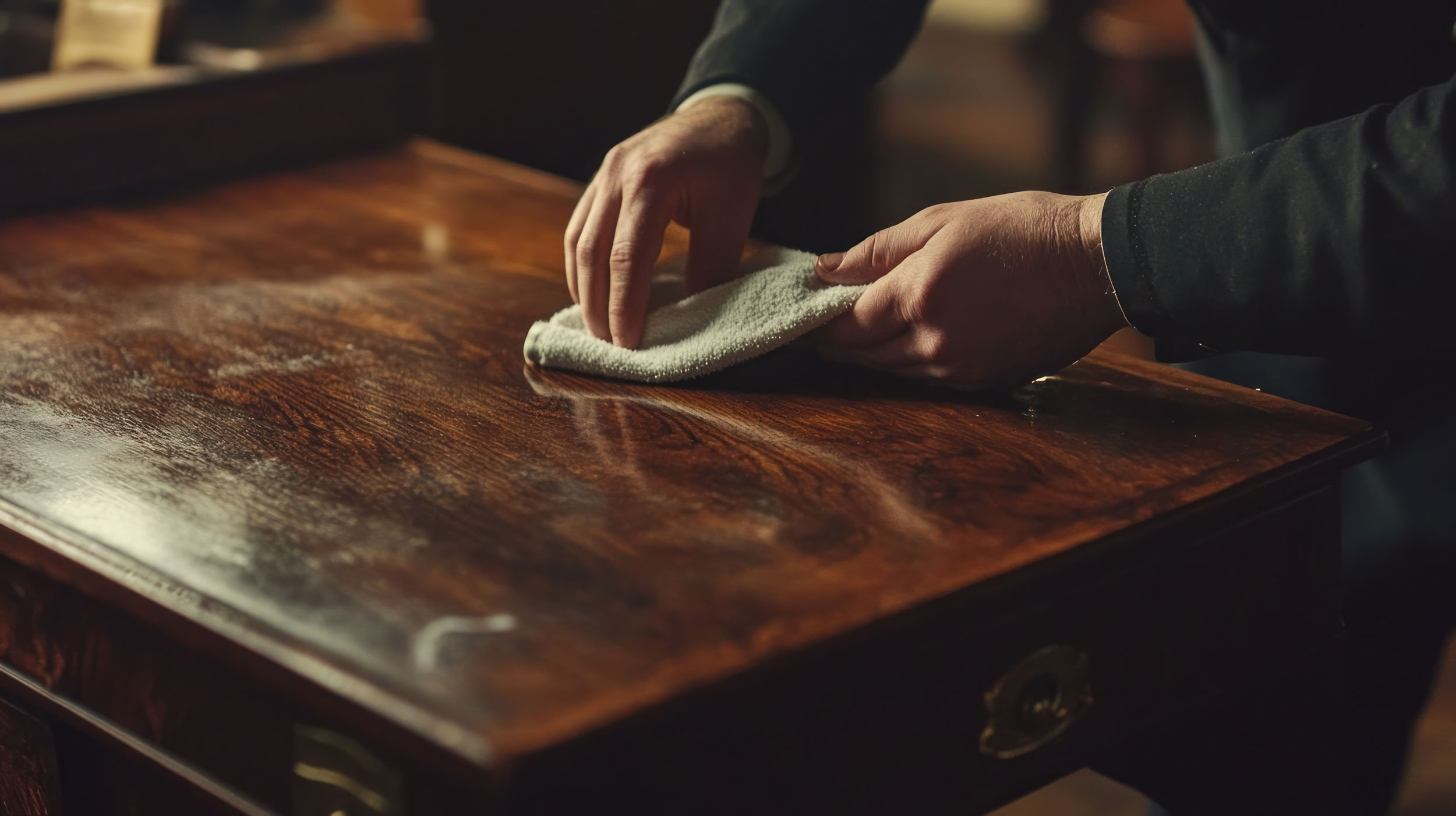
There’s a quiet gravitas to antique and reclaimed wood flooring. Whether it’s the deep grain of Victorian oak, the worn patina of old pine, or the dark glow of salvaged mahogany, these boards tell a story. At White and White London Contracts, we’ve spent years working with timber that’s seen decades, even centuries. We’ve restored it, laid it, and built around it. And we’ve learned that caring for it isn’t about preserving perfection – it’s about protecting character.
This blog is for anyone who lives with antique or reclaimed wood underfoot. Whether it came with the house or was recently laid by hand, here’s how to treat it well – and keep its story going.
1. Understand What You’re Walking On
Before anything else, know what kind of wood you have. Is it reclaimed pine from a 19th-century factory floor? Engineered oak with a salvaged top layer? Or original solid planks laid in the Georgian era?
Antique woods often come with quirks: old nail holes, knots, uneven colouring, and inconsistent grain. These aren’t defects; they’re the very things that make the floor special. The more you understand its origin, the better you can care for it.
If you’re not sure, ask the contractor who installed it – or bring in a specialist. At White and White, we often get calls to identify and assess antique flooring before restoration or refinishing.
2. Clean Gently, But Regularly
Reclaimed and antique wood doesn’t need fussy treatment – just a little consistency.
- Sweep or vacuum regularly with a soft brush head to remove grit that could scratch the surface.
- Use a slightly damp mop (never soaking wet) and a pH-neutral wood floor cleaner. Avoid anything with ammonia, bleach, or harsh solvents.
- Skip the steam mop. Excess moisture and high heat can cause swelling or cracking, especially in older boards.
Dust and grime dull the finish over time. A weekly once-over with the right tools can make all the difference.
3. Watch Out for Moisture
Reclaimed wood has already lived one life – often in barns, mills, or stately homes. It’s been through enough, and it doesn’t take kindly to modern-day neglect.
Keep humidity levels stable where possible (between 40-60%) and wipe up any spills immediately. Even if your flooring is sealed with oil or wax, liquid can still seep into joints or underboards and cause movement.
If your reclaimed wood floor is in a kitchen or hallway, consider a good-quality mat near sinks or entrances.
4. Protect, Don’t Smother
The best finishes for antique wood are the ones that let it breathe. At White and White, we use natural hardwax oils and traditional waxes wherever possible. These enhance the wood’s grain and patina, while offering a degree of protection against stains and water.
Polyurethane varnishes may offer more surface toughness, but they sit on top of the wood, masking texture and natural ageing. If your floor has that beautiful soft gleam that only comes with oil or wax, stick with it – and top up as needed.
- Re-oil every 12-18 months in high-traffic areas.
- Buff wax finishes periodically to keep them nourished.
Remember: finishes wear evenly when floors are cleaned and maintained regularly. If you’re unsure what finish your floor has, test a small inconspicuous patch or speak to a specialist.
5. Embrace the Patina
Antique wood doesn’t want to look new. That’s the point.
Minor scuffs, tonal variation, and hairline splits add to its character. The goal isn’t to prevent age, but to let it happen gracefully. That said, if damage occurs – a deep gouge, a water stain, or a sun-bleached patch – there are ways to respond without resorting to sanding everything down.
- Spot repairs with a wax filler stick or tinted oil can work wonders.
- Light buffing and re-oiling can even out wear without removing texture.
- Avoid full sanding unless absolutely necessary – and only use professionals with experience in antique surfaces.
We’ve restored floors that are over 150 years old without once switching on a belt sander. Sometimes, less is more.
6. Mind the Furniture
Furniture legs can be a floor’s worst enemy. Protect your boards with felt pads under chairs and tables, and be mindful when moving heavier pieces.
If you’re placing rugs, choose breathable underlay and lift them periodically to let the wood breathe. Wool rugs are excellent partners for antique wood – natural, soft, and less likely to discolour the floor underneath.
7. Seasonal Shifts Are Natural
Wood moves. Antique wood moves a little more. As humidity changes across the seasons, you may notice small gaps opening or boards shifting slightly. This is entirely normal, especially for wide planks.
The best way to reduce this is to maintain stable indoor humidity. If you live in a particularly dry or damp house, a humidifier or dehumidifier can help. But above all, don’t panic. These seasonal shifts are signs of a living material doing what it’s always done.
8. When in Doubt, Call the Experts
Not every flooring contractor understands antique or reclaimed timber. It takes patience, touch, and a deep respect for the material. If your floor needs deeper maintenance, refinishing, or repair, choose someone with a track record.
At White and White, we’ve worked on floors in Georgian townhouses, converted warehouses, and stately hotels. We understand how these boards behave. We know when to intervene and when to leave well enough alone.
Final Thoughts
Antique and reclaimed wood flooring offers something no new product can replicate: presence. You feel it when you walk into a room. It grounds you. It speaks without noise.
Caring for these floors isn’t about preserving museum pieces. It’s about honouring the material and helping it age well in its second life. With regular care, gentle products, and the right mindset, these boards will continue to hold warmth and character for generations.
If you have an antique or reclaimed floor and need advice, repair, or simply want to bring out its best, we’d love to help. Because for us, old wood isn’t just a material. It’s a philosophy.