Why Being Eco-Conscious Is Important – and How Reclaimed and Antique Wood Fits Into That
At White and White London Contracts, we don’t tend to shout about sustainability. It’s not a slogan we stick on the front of our van. For us, being eco-conscious is something you live and build by – day to day, decision by decision. But as conversations around construction, carbon, and conservation gain urgency, we think it’s important to be clear: sustainability matters. It matters to us, it matters to our clients, and it informs how we work from the ground up.
One of the most powerful tools we have is also one of the oldest: wood. Not just new, mass-manufactured timber, but reclaimed and antique wood – materials with stories embedded in their grain, and lifespans that outlast trends and tick-box regulations.
Reclaimed and antique timber isn’t just beautiful – it’s fundamentally sustainable, and central to the way we approach design, build, and restoration.
The Waste We’re Trying to Avoid
Construction is one of the most resource-intensive industries in the world. It’s not just about the energy used on site – it’s the embodied carbon in the materials, the waste in the skips, the over-ordering, the short-termism.
We’ve seen it too often: perfectly serviceable floors ripped up, original panelling torn down, solid timber replaced with hollowboard because it’s faster or cheaper or easier. At White and White, we’ve made it a founding principle to do things differently. Not for show. Just because it’s right.
We believe you can build beautifully without throwing good materials – or good history – in the skip.
Why Reclaimed and Antique Wood?
Reclaimed wood is timber that’s been used before – often in industrial, agricultural or domestic settings – and brought back into circulation. It might be oak beams from a decommissioned barn, or pine floorboards salvaged from a Victorian townhouse.
Antique wood, on the other hand, tends to be older still – often harvested centuries ago from slow-grown forests that no longer exist, and shaped by hand using tools and techniques from another era. You’ll find it in 18th-century panelling, Georgian doors, old mahogany balustrades, elm floorboards worn to a polish by generations of use.
Both reclaimed and antique wood are invaluable for sustainable construction because they offer:
- A lower environmental footprint – no new trees felled, no energy-intensive processing
- Unmatched durability – older wood is typically denser, more stable, and better seasoned
- Aesthetic depth – richness of grain, colour and patina that modern timber can’t replicate
- Architectural authenticity – especially important when working in period homes
- Carbon Capture and Storage – Released when left to rot or burnt.
We use both extensively – and often together – depending on the context of the build. In some projects, we might restore original antique panelling and match it with reclaimed timber for new joinery. In others, we might re-machine antique beams to create one-off shelving, cabinetry or flooring.
A Specialist Approach
Reclaimed and antique wood can’t be treated like new timber. It demands respect, skill, and experience – which is exactly what we’ve built our name on.
Over the years, we’ve developed strong, long-standing relationships with reclamation yards worldwide, architectural salvage houses, and heritage joiners. We’ve learned to inspect materials with a critical eye – for structural soundness, historic value, moisture content, and hidden damage. We know what can be salvaged, what can be reworked, and what needs specialist treatment.
And we don’t just drop it into a build as an afterthought. We design around it. We advise our clients early on about where reclaimed or antique wood can add character, reduce waste, and enhance longevity – from panelling and staircases to entire structural frames.
Restoration First
If there’s one phrase we live by, it’s this: don’t replace what can be restored.
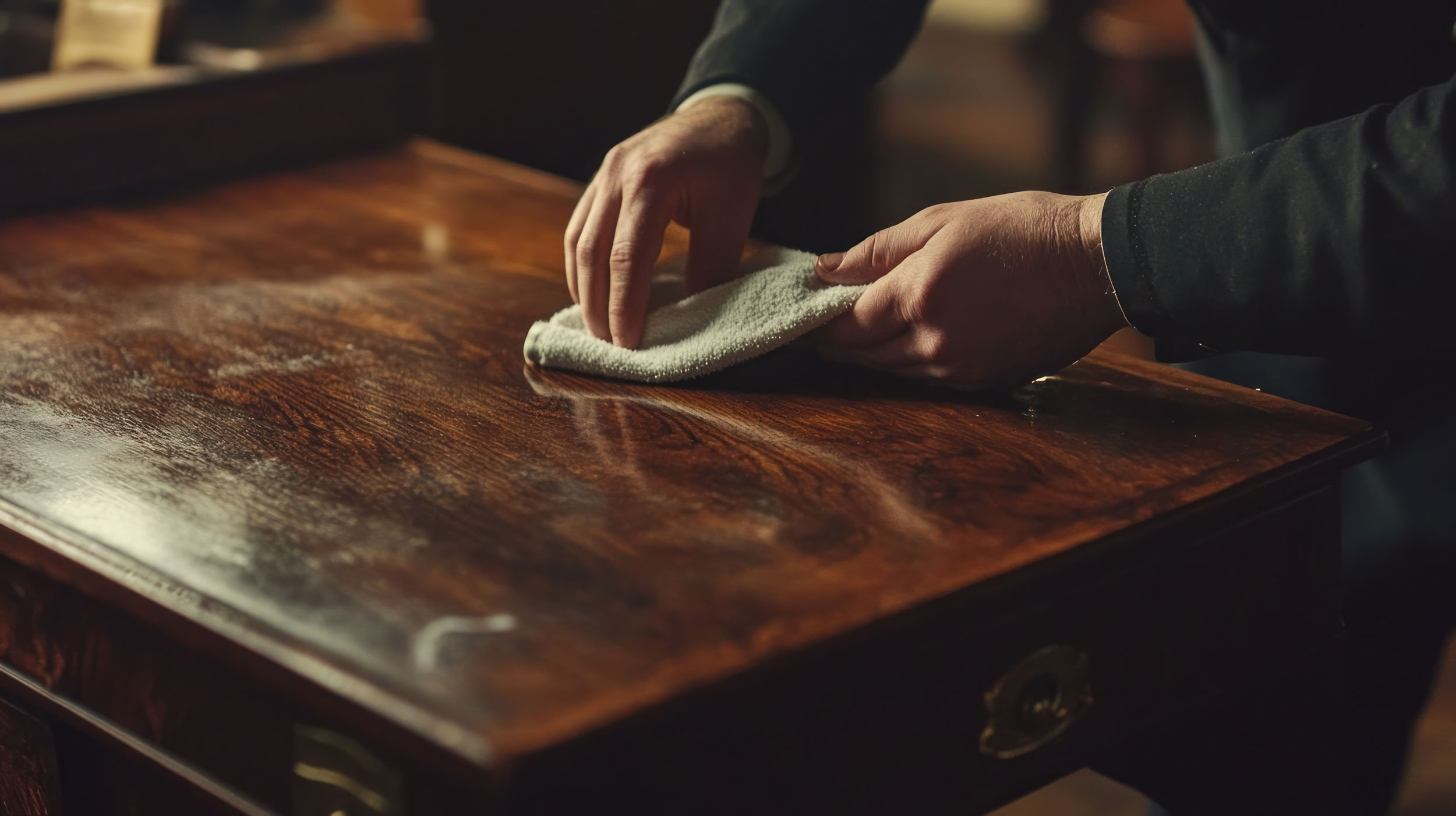
You’ll often find us sanding back 150-year-old floorboards rather than ordering new engineered planks, or carefully lifting antique skirting so it can be refitted after damp treatment. We’ve brought back to life panelled libraries, hand-carved doors, and entire staircases using nothing more than time, care, and the right tools.
Preserving original fabric isn’t just about sustainability – although the environmental benefit is huge. It’s about architectural integrity. It’s about working with a building, not against it.
New Builds With Old Materials
While much of our antique and reclaimed work happens in period properties, we also integrate these materials into contemporary architecture. It’s something clients increasingly ask for – not just as a sustainability measure, but to create depth and contrast in clean-lined, modern spaces.
We’ve used 400-year-old oak in new kitchens, incorporated antique parquet into minimalist gallery spaces, and installed reclaimed warehouse joists in modern steel-and-glass extensions. The result is always more layered, honest, and enduring than a finish assembled entirely from catalogue samples.
In that sense, reclaimed and antique wood doesn’t just reduce environmental impact – it raises design ambition.
Longevity Is the Real Sustainability
Too much construction is still driven by short-term thinking. Fast fit-outs. Disposable finishes. Designs that look great for a year or two, then feel tired or worn out.
We build with a different mindset. Durability is the first pillar of sustainability. The longer something lasts – physically and aesthetically – the less waste you create, and the less you need to replace or rework in future.
Reclaimed and antique wood fits perfectly into that philosophy. It’s stood the test of time already – and, when used properly, will go on doing so for decades to come.
No Greenwashing – Just Good Building
We don’t see sustainability as a branding tool. It’s not something we highlight only when it suits the brief. It’s embedded in our process – from early-stage planning through to final handover.
That includes:
- Prioritising restoration over removal
- Sourcing responsibly through trusted networks
- Advising clients on environmentally sound materials
- Designing for durability, not just impact
- Using reclaimed and antique timber wherever it adds value – practically, architecturally, or emotionally
None of this is about compromise. Quite the opposite. Done properly, it leads to better buildings – richer in texture, rooted in history, and more resilient for the future.
Building With Conscience
At White and White London Contracts, we build with care. That’s true of how we treat our clients, our sites, our team – and it’s true of how we treat materials.
Reclaimed and antique wood reminds us that the best materials are often already here. We just have to recognise their value, respect their story, and use them with skill. In a city like London, full of history and future potential, that seems like the most sustainable thing we can do.
If you’re thinking about how to make your project more environmentally thoughtful – without losing sight of beauty or craftsmanship – we’d be glad to talk.
Get in touch with White and White London Contracts to explore how reclaimed and antique materials can elevate your next build – sustainably, beautifully, and with lasting integrity.